

Signs of Cognitive-Communication Problems After Brain Injury
The signs of cognitive-communication problems after brain injury usually show up in conversation and daily life rather than in single words. A person may lose the thread of what they were saying, talk over others or drift off-topic, forget what was just discussed, or find planning and organising talk and tasks much harder. Busy social situations can become exhausting — even though their basic speech and grammar may sound completely fine.
Families are often the first to notice these changes, long before anyone gives them a name. A conversation over dinner does not flow the way it used to. A familiar story gets told twice in one evening. A trip to a busy café, once easy, now leaves your relative drained and quiet. It is important to say this clearly at the start: the person is not being rude, careless or lazy. After a brain injury, the brain is working differently, and the thinking skills that conversation depends on — attention, memory, organisation and speed — may all be affected. Understanding that can change how the whole family responds. This guide explains the signs in everyday terms, how they differ from other communication difficulties, and what helpful first steps can look like.
Key Takeaways
- Cognitive-communication problems affect how thinking skills support conversation — signs appear in everyday chat, family life and social situations.
- Speech and grammar may sound fine, which is why these difficulties are often missed or misunderstood at first.
- Common sign groups include conversation, attention, memory, organisation, speed and fatigue, and reduced awareness of the changes.
- The person is not being rude or difficult — the injured brain is managing conversation differently, and understanding helps everyone.
- A speech and language therapy assessment can describe the pattern in detail and suggest support shaped around the person.
- New or worsening signs after a head injury need prompt medical advice, and some red-flag signs need emergency help.
On this page
- Conversation signs
- Attention signs
- Memory signs
- Thinking and organisation signs
- Speed and fatigue signs
- Insight and awareness signs
- How these signs differ from aphasia and dementia
- Why assessment matters
- Gentle first steps for families
- When to seek help
- Questions to ask a therapist
- Frequently asked questions
- Related guides
Conversation signs
Conversation looks effortless, but it quietly depends on several thinking skills working together: holding the topic in mind, remembering what has already been said, judging when to speak, and reading the other person. After a brain injury, any of these can become less reliable, and conversation is often where families notice changes first.
Everyday examples include:
- Losing the thread. The person starts a sentence or a story and drifts away from it, or stops mid-way, unsure where they were heading.
- Going off-topic. Talk wanders from subject to subject, and bringing it back to the original point takes effort.
- Repeating stories or points. A favourite story, opinion or piece of news may be told again as if it were new, because the earlier telling has not been held in memory.
- Dominating — or withdrawing. Some people talk at length and find it hard to pause or leave room for others. Others say much less than before and let conversations happen around them. Both patterns can come from the same underlying difficulty in managing the flow of talk.
- Missing jokes, hints and tone. Sarcasm, gentle teasing, hints and implied meanings may be taken literally, or missed altogether, so group banter becomes confusing.
- Blunter comments. Remarks that sound tactless or overly direct are common. Usually this is not a change of character: the usual social “filter” — the split-second check of how a comment might land — is itself a thinking skill, and it can be affected like any other. The kindness is still there; the checking step is less reliable.

These signs often vary. Conversation with one familiar person in a quiet room may go well, while a lively family gathering exposes every difficulty at once. That variation is part of the picture, not a sign that the person is choosing when to manage.
Attention signs
Attention is the fuel of conversation. If attention slips, everything built on it — listening, remembering, responding — slips too.
- Distracted mid-conversation. The person loses track part-way through, asks for things to be repeated, or seems to “switch off” while someone is still talking.
- Struggling with two speakers. Following one voice is manageable, but when two people talk, or the conversation moves quickly between speakers, the thread is lost.
- Noise makes it much harder. Background television, music, other conversations or household noise can turn an ordinary chat into hard work, because the brain has to filter the wanted voice from everything else.
- Difficulty returning after an interruption. A doorbell, a phone ringing or a child asking a question can derail a conversation completely, and picking it up again may not happen.
Memory signs
Memory difficulties after brain injury often show up in communication before they show up anywhere else, because conversation depends on remembering what was said moments ago as well as days ago.
- Forgetting conversations. The person may have no memory of a discussion the family clearly remembers, including agreements about plans or arrangements.
- Repeated questions. The same question is asked several times in a short space, not from lack of interest but because the answer has not stayed in memory.
- Missing appointments and arrangements. Without reminders, dates, times and everyday commitments may simply not come to mind.
- Losing the middle of a story. When telling you about their day, events may be missed out or muddled, because holding a sequence of details is demanding.
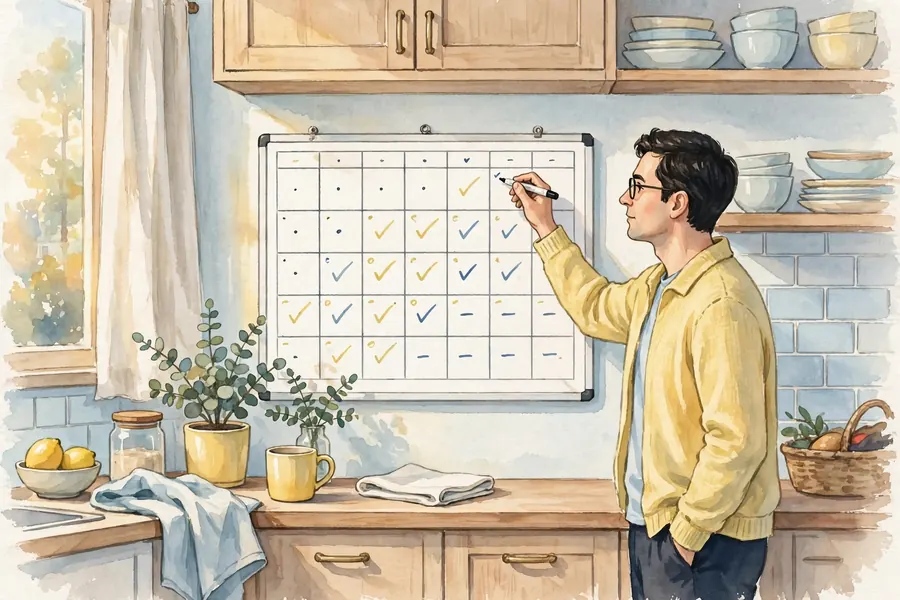
Simple supports — a calendar in a place everyone uses, written reminders, and notes made straight after a conversation — can reduce the friction these signs cause, and the pillar guide linked below explores family support in more depth.
Thinking and organisation signs
Clear talk needs an organised mind behind it: a plan for what to say, in what order, adjusted as you go. After a brain injury, this planning system can become less steady.
- Starting talk and tasks without a plan. The person may launch into a story, a phone call or a job without gathering what they need first, then stall or lose their way.
- Difficulty sequencing a story. News is shared in a jumbled order, with key details arriving late or not at all, so listeners have to piece the events together.
- Problem-solving in conversation is harder. Sorting out a misunderstanding, weighing options out loud, or talking through a disagreement step by step can feel overwhelming.
- Black-and-white thinking. Views may become more rigid than before — things are right or wrong, good or bad, with less room for the in-between. Flexibility in thinking is part of what injury can affect, and disagreements may escalate more quickly than they used to.
Speed and fatigue signs
Thinking takes energy, and after a brain injury the brain often works much harder to do the same jobs. The cost shows up as slowness and tiredness.
- Slow to respond. There may be a pause before answers come, especially for unexpected questions, as if the reply is travelling a longer route.
- Exhausted by socialising. A family visit, a phone call or a meal out can leave the person deeply tired, quiet or irritable afterwards — not because they did not enjoy it, but because conversation has used up their available energy.
- Worse when tired. All the signs in this guide tend to sharpen when the person is tired, unwell, stressed or overloaded, and ease a little with rest. A “good morning, difficult evening” pattern is very common.

Rest is not a luxury in this picture — it is part of how the person manages. Shorter visits, quiet breaks and one thing at a time are practical kindnesses, not over-protectiveness.
Insight and awareness signs
One of the most sensitive signs is that the person themselves may not fully notice the changes. This reduced awareness has a name — anosognosia — and it means the brain injury itself has affected the person’s ability to recognise their own difficulties.
It can look like this:
- The person feels their conversation, memory and organisation are much the same as before, while the family sees clear changes.
- Suggestions of support or reminders may be brushed aside, because from the inside there seems to be nothing to support.
- Feedback from others can feel unfair or upsetting, which sometimes leads to friction at home.
This mismatch between the person’s view and the family’s view is nobody’s fault, and it is not stubbornness or denial in the ordinary sense. The part of the brain that would notice the problem is the part that has been injured. Arguing the point rarely helps; gentle, concrete examples, offered kindly and at calm moments, usually land better than general concerns. A therapist can also help the whole family talk about the changes in a way that protects everyone’s dignity.
How these signs differ from aphasia and dementia
Families sometimes wonder how cognitive-communication problems relate to other terms they have heard. In careful, general terms: aphasia is a difficulty with language itself — finding words, building sentences and understanding what words mean — most often after a stroke. With cognitive-communication problems, the words and sentences themselves may be intact, and it is the thinking skills underneath conversation that are affected. The two can occur together after a brain injury, and an assessment can help separate them. These signs are also different from dementia: cognitive-communication problems follow a sudden event, such as an injury or a stroke, and with time, support and rehabilitation they can improve, whereas dementia describes conditions in which difficulties develop and progress gradually. If you are unsure which picture fits your relative, that is exactly the kind of question an assessment is for.
Why assessment matters
Because these signs are subtle and vary from day to day, they are easy to miss in a brief appointment — and easy to misread at home as attitude or mood. A proper assessment matters because it:
- Describes the person’s pattern of strengths and difficulties in detail, in everyday language.
- Separates overlapping difficulties — for example, attention problems that look like memory problems.
- Gives the family a shared, kinder explanation for what they are seeing.
- Forms the starting point for therapy, strategies and support shaped around the individual.
In general terms, a speech and language therapy assessment for cognitive-communication involves conversation, questions about everyday life since the injury, and tasks exploring attention, memory, organisation and problem-solving, often alongside input from other professionals involved in the person’s care. Family observations are a genuinely valuable part of the picture, so bringing notes of what you have noticed is helpful.
Gentle first steps for families
Detailed support strategies sit in our complete guide, linked below, but these first steps help in most homes:
- Keep notes. Jot down what you notice, with everyday examples. Patterns become clearer, and notes are gold for assessments.
- Build calm routines. Regular places for keys, notes and reminders, and a shared family calendar, quietly reduce daily friction.
- One conversation at a time. Turn off background television, talk one to one where you can, and give one idea at a time.
- Allow time. Pause, wait, and resist finishing sentences unless your relative asks for help.
- Be patient with repetition. Answer repeated questions calmly, and point to written reminders rather than highlighting the repetition.
- Watch the energy budget. Shorter, quieter social times with rest before and after often go far better than long, busy ones.
When to seek help
After any head injury, new, worsening or worrying signs should be checked with a medical professional — trust what you are seeing and ask. Arrange medical advice promptly if the signs described in this guide are new, are getting worse, or are affecting safety, work or family life, and ask about referral to speech and language therapy for assessment.
Some signs after a head injury are an emergency. Call your local emergency number immediately if the person has worsening drowsiness or cannot be woken easily, repeated vomiting, a seizure, new weakness, or a sudden change in speech. These red flags need urgent medical help, not watching and waiting.
For general information about health services and when to seek help, you can also visit the National Health Service website.
Questions to ask a therapist
If you meet a speech and language therapist about your relative, these questions can help you get the most from the conversation:
- Which thinking skills seem to be affecting my relative’s communication most?
- How do their attention and memory difficulties show up in conversation?
- What can we do at home, as a family, to make conversation easier?
- How can we talk about the changes when my relative does not notice them in the same way?
- What should we watch for, and when should we come back for review?
Frequently asked questions
My relative’s speech sounds normal. Can they still have a communication problem?
Yes. Cognitive-communication problems sit underneath speech rather than in the words themselves. Sentences can be fluent and grammatical while conversation still breaks down through lost threads, missed hints, forgotten content or poor organisation. That is why these difficulties are sometimes missed, and why a full assessment looks at real conversation, not just single words.
Is my relative being rude when they interrupt or make blunt comments?
In most cases, no. Interrupting and bluntness usually reflect the injury’s effect on attention, self-monitoring and the social “filter” that checks comments before they are spoken. Understanding this does not mean families must simply accept hurtful moments — gentle, kind feedback at calm times can help — but the intention behind the words is rarely unkindness.
Why are the difficulties worse in the evening?
Thinking and communicating take extra effort after a brain injury, and that effort uses up energy across the day. By the evening, tiredness makes attention shorter, memory less reliable and patience thinner. Rest, shorter social times and saving important conversations for fresher times of day can all help.
Why does my relative say they are fine when we can see changes?
This may be reduced awareness of the changes, known as anosognosia, which is part of the injury itself rather than stubbornness. The brain systems that monitor our own performance can be affected, so the difficulties genuinely feel smaller from the inside. A therapist can help families raise the subject gently and agree on support without damaging trust.
Can cognitive-communication problems improve?
Progress varies from person to person and depends on many things, including the nature of the injury and the support around them. With time, rehabilitation and strategies that fit everyday life, many people find communication becomes easier to manage, and families often find that understanding the signs itself makes daily life calmer. A therapist can talk honestly about what support may help in your relative’s individual situation.
Who should we see first about these signs?
A sensible first step is the doctor or the team already involved in your relative’s care, who can check anything medical and refer on to speech and language therapy. You can also contact a speech and language therapist directly to ask about an assessment. Bringing your notes about what you have noticed, and when it happens, makes those first conversations much more useful.
Related guides
- Cognitive-communication difficulties after stroke and brain injury: a complete guide for families
- Memory problems after stroke: how families can help at home
- Support for adults: the For Adults hub
- Adult neuro-rehabilitation services
- Browse all conditions and topics
A gentle next step
Noticing these signs in someone you love can be worrying, and it can also feel lonely when their speech sounds “fine” to everyone else. You do not have to make sense of it alone. If you would like to talk through what you have noticed and what support might help, you are very welcome to get in touch online. There is no obligation and no pressure: just a friendly first conversation, at your pace.
By Hamayal Adnan, Speech-Language Pathologist
This article is for general educational purposes only and is not medical advice. It does not replace an assessment by a qualified speech and language therapist or other healthcare professional. Every person is different. If you have concerns about speech, language, feeding or swallowing, please seek professional advice. In an emergency, call your local emergency number.